


How to Prevent Alzheimer's | Dr. Robert Love 5-Episode Masterclass

Dr. Robert Love, PhD

5-Episode Masterclass

How to Prevent Alzheimer's

5 episodes. Science-backed solutions. A healthier brain—starting today.

Get My Masterclass
How to Prevent Alzheimer's masterclass and exercise workbook

Invest in your brain. Protect your future.

Start Your Diet Journey Today.

Get My Masterclass

+ As a FREE BONUS Get My Diet E-Book

+ Personalized Group Coaching with Jill

Two Powerful Resources. One Life-Changing Mission.

Understand the science behind cognitive decline

Learn proven strategies to protect your brain

Build a diet routine that supports long-term brain health

Take action with practical tools and next steps

Inside the 5-Episode Masterclass

Everything You Need to Protect Your Brain and Prevent Alzheimer’s

Expert guidance. Cutting-edge science. Practical strategies you can use right away to improve memory, boost brain health, and reduce your risk.

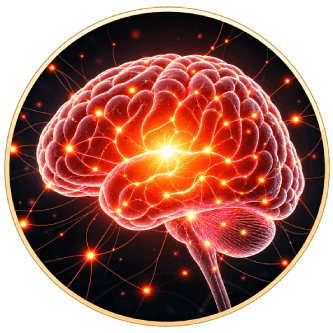
Episode 1 brain illustration

Episode 1

The 6 Types of Alzheimer’s & How to Prevent Them

Discover the real causes and the 6 key risk factors you can control starting today.
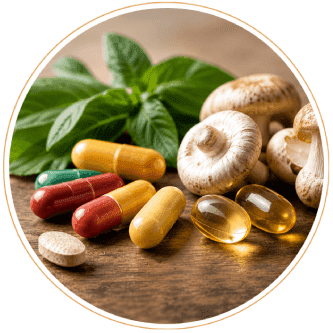
Episode 2 supplements, vitamins and herbs

Episode 2

Supplements, Vitamins & Herbs That Protect Your Brain

The most important nutrients for memory, mood and long-term brain protection.
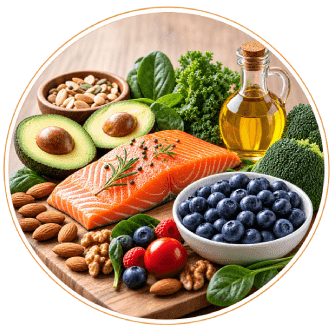
Episode 3 brain healthy foods

Episode 3

Nutrition for a Stronger, Healthier Brain

What to eat (and avoid) to fuel your brain, balance blood sugar and lower inflammation.

Episode 4 exercise and sleep

Episode 4

Exercise & Sleep: Your Brain’s Best Medicine

Build simple daily habits that improve memory, boost mood and support deep, restorative sleep.

Episode 5 learning, memory and neuroplasticity

Episode 5

Learning, Memory & Neuroplasticity

Powerful learning techniques to sharpen focus, build new connections and keep your brain resilient.

5 Episodes. Proven Strategies.
A Lifetime of Benefits.

Get My Masterclass

Special Limited-Time Offer

Get Instant Access Today

$200 $47

5 episodes. Science-backed strategies.
Practical action steps.
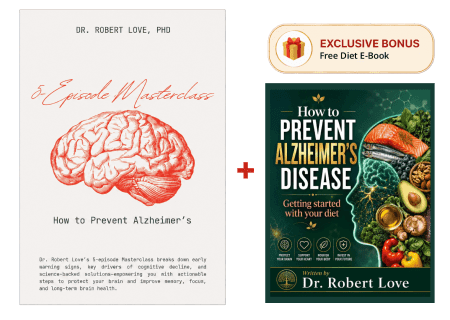
Product Package Order Now

+ As a FREE BONUS Get My Diet E-Book

+ Personalized Group Coaching with Jill

Free Bonus

Group Coaching With Jill!

Jill, coach at Dr. Robert Love's Brain Power Clinic

Get Personalized Guidance From a Coach Who Works Directly With Dr. Love!

Meet Jill, an expert coach at Dr. Robert Love's Brain Power Clinic who has worked alongside Dr. Love for the past 3 years, helping people take meaningful steps toward better brain health.

Now, as a special bonus, you'll have the opportunity to join Jill for group coaching sessions where you can ask questions, get expert guidance, and learn how to put Dr. Love's brain health strategies and supplements into practice.

Because knowing what to do is one thing. Having someone guide you through it is what makes the difference.

$400 VALUE $47 Included with your $47 Masterclass — no extra charge
Included FREE With Your Masterclass!

Getting Started With Your Diet

  1. Remove processed foods.
  2. Eat lots of organic fruits and vegetables.
  3. Eat healthy protein. Pastured eggs, grass-fed beef, lamb and SMASH fish.
  4. Get into keto: This increases energy in the brain.
  5. End up with a diet you love. Delicious, healthy food that is good for your brain.
Key Teaching Point

Alzheimer’s Starts Decades Before Symptoms

The disease process often begins long before memory problems appear, which means daily food choices can play a powerful protective role.
  1. Alzheimer’s disease often begins 10–30 years before symptoms.
  2. The brain gradually loses its ability to efficiently use glucose.
  3. Ketones can provide an alternative fuel source.
  4. Food is one of the most powerful tools for protecting the brain.
  5. Small dietary changes can create meaningful long-term benefits.
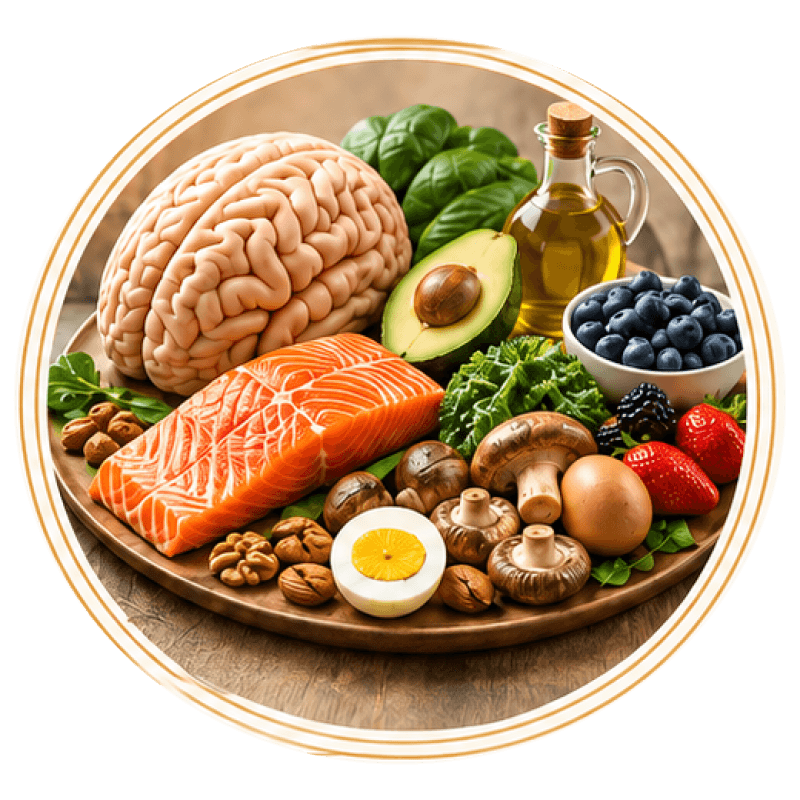
Brain-supporting foods including salmon, avocado, berries, leafy greens, nuts, mushrooms, and olive oil

Core Principles

1Stable blood sugar
2Mild nutritional ketosis
3Daily SMASH fish
4Mushrooms 4+ times weekly
5Nutrient-dense whole foods
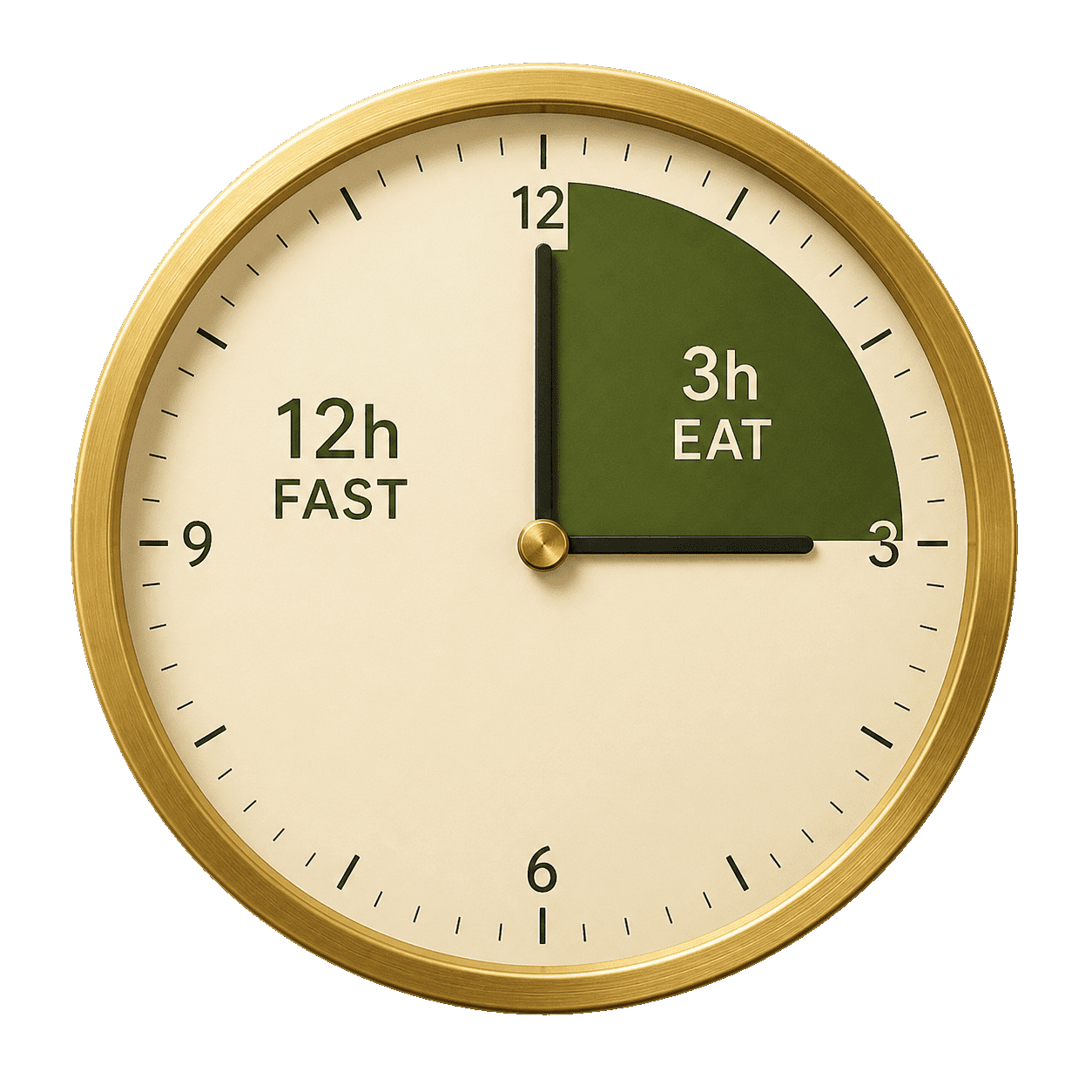
6KetoFlex 12/3 eating

Understanding

Alzheimer’s as a Metabolic Disease

Why some researchers call Alzheimer’s “Type 3 Diabetes”

Alzheimer’s isn’t just about memory, it’s about metabolism. When the brain can’t properly use glucose for energy, cognitive decline begins.

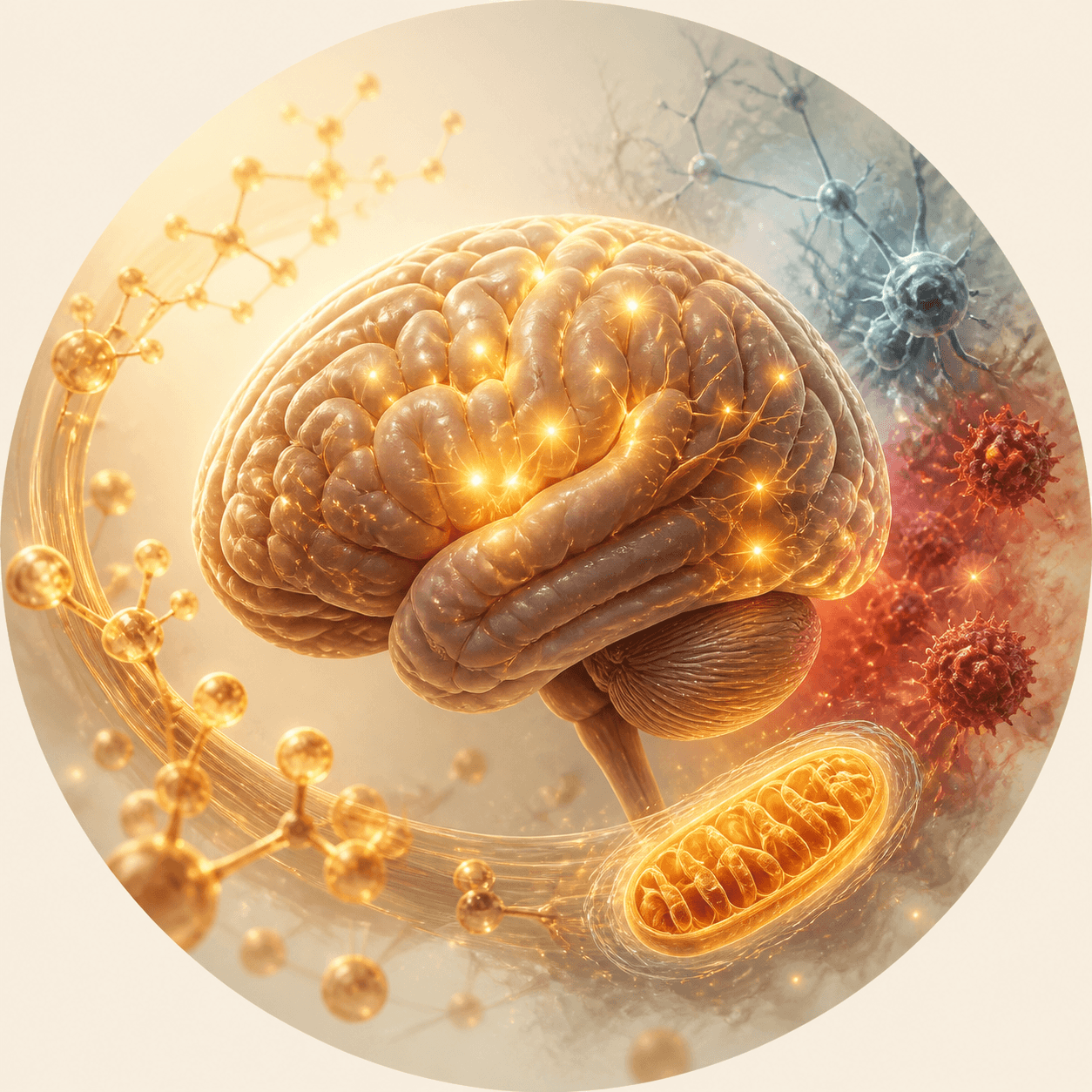
Illustration of the brain’s metabolic connections, including glucose pathways, inflammation, and mitochondria
  • Brain glucose hypometabolism

    The brain isn’t getting the energy it needs.

  • Insulin resistance

    Reduced sensitivity leads to poor glucose use.

  • Chronic inflammation

    Ongoing inflammation damages brain cells.

  • Mitochondrial dysfunction

    Cells can’t produce energy efficiently.

  • Blood sugar regulation

    Poor regulation over time accelerates brain decline.

Biomarkers to Know

HbA1cReflects average blood sugar over the past 2–3 months.
Fasting glucoseMeasures your baseline blood sugar level.
Fasting insulinShows how much insulin your body is producing.
HOMA-IRCalculates insulin resistance and metabolic health risk.

When we improve metabolic health, we improve brain health. Understanding these markers is the first step to prevention.

What is the

KetoFlex Diet?

The foundation of the Bredesen protocol

KetoFlex 12/3

Keto

  • Mild nutritional ketosis
  • Healthy fats
  • Lower sugar intake

Flex

  • Personalized approach
  • Metabolic flexibility
  • Not extreme keto forever
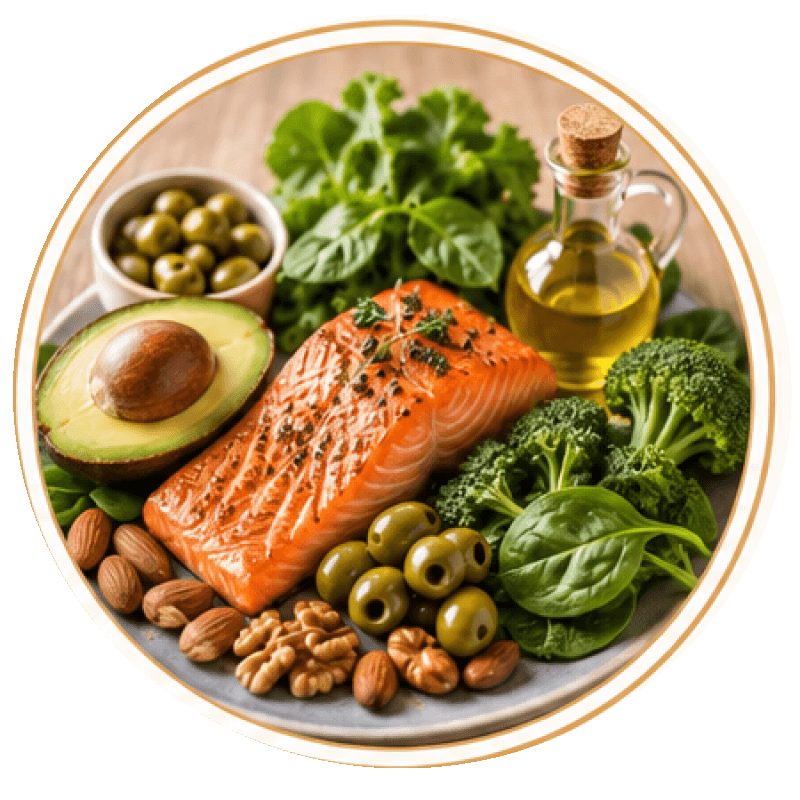
KetoFlex foods including salmon, avocado, olive oil, greens, broccoli, olives, and nuts

12

12-hour
overnight fast

3

Finish eating at least 3 hours before bed

Benefits

Improved
insulin sensitivity

Reduced
inflammation

Better
metabolic health

Increased ketone
production

Supports brain
energy metabolism

How to get into

Ketosis Using Healthy Foods

Ketosis happens when your body uses fat for fuel instead of glucose.
Focus on real, nutrient-dense foods that support your metabolism and brain health.

Healthy fats

  • Extra virgin olive oil
  • Avocados
  • Olives
  • Nuts
  • Seeds
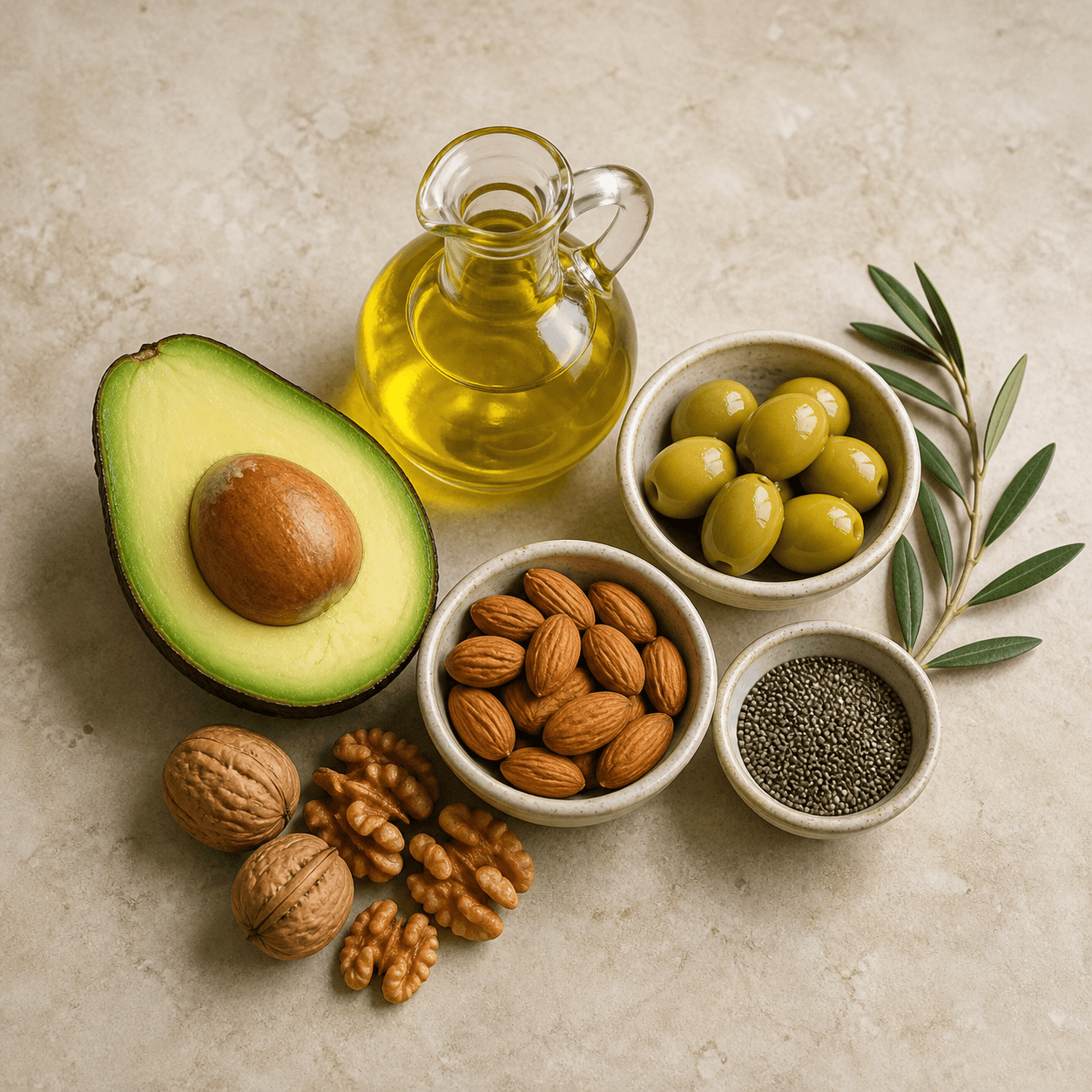
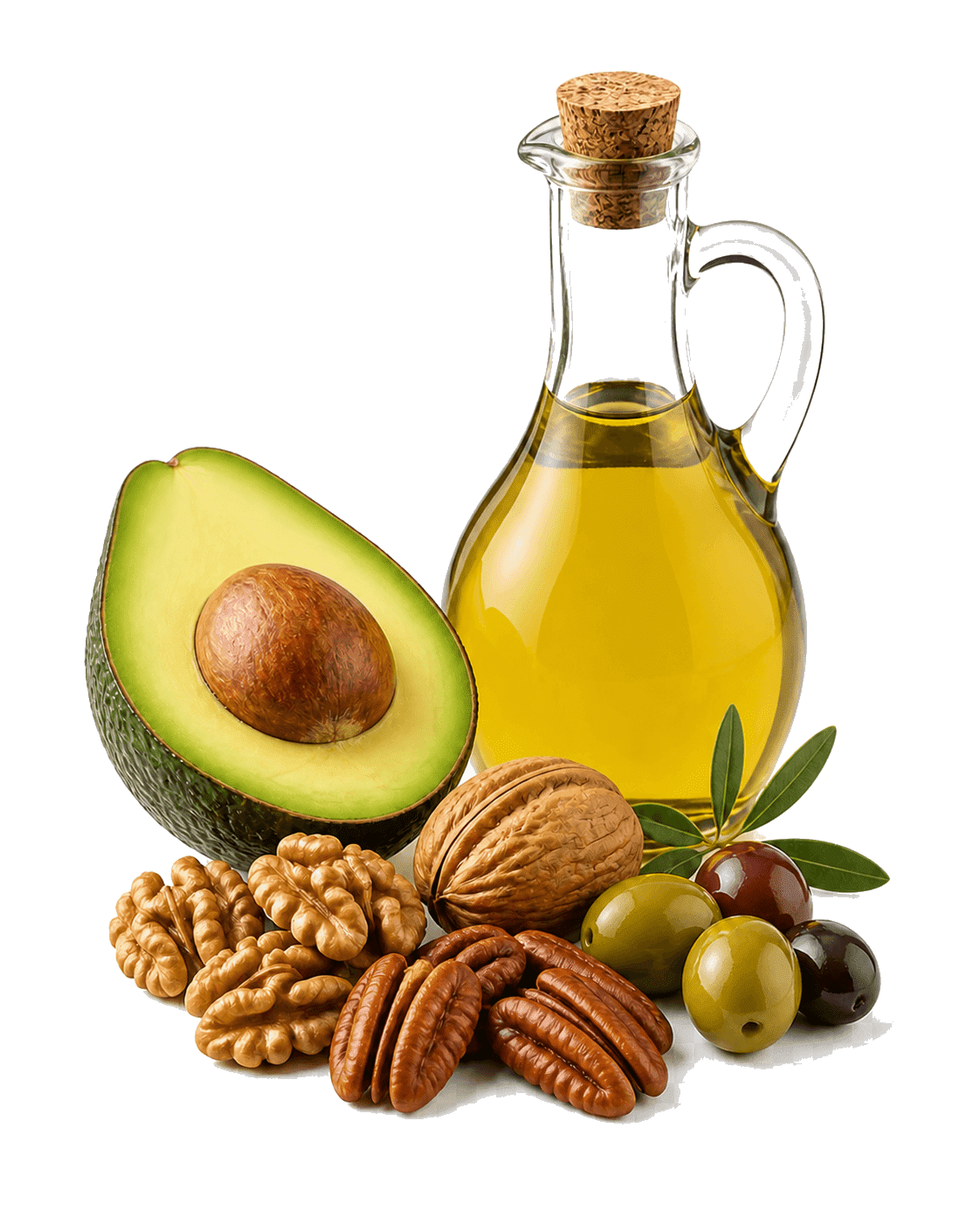
Healthy fats including avocado, olive oil, olives, nuts, and seeds

Low-carb vegetables

  • Kale
  • Spinach
  • Arugula
  • Broccoli
  • Cauliflower
  • Brussels sprouts
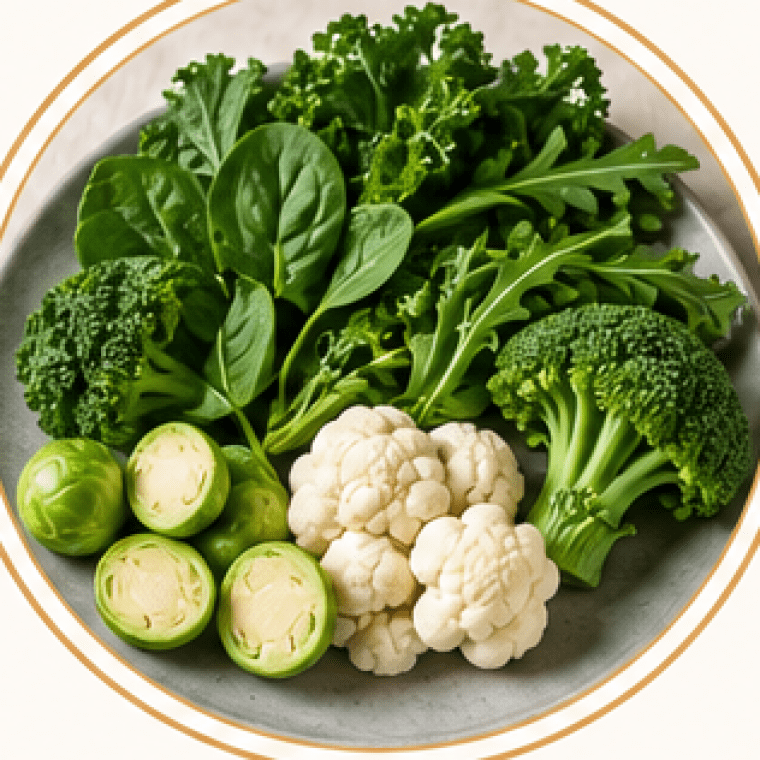
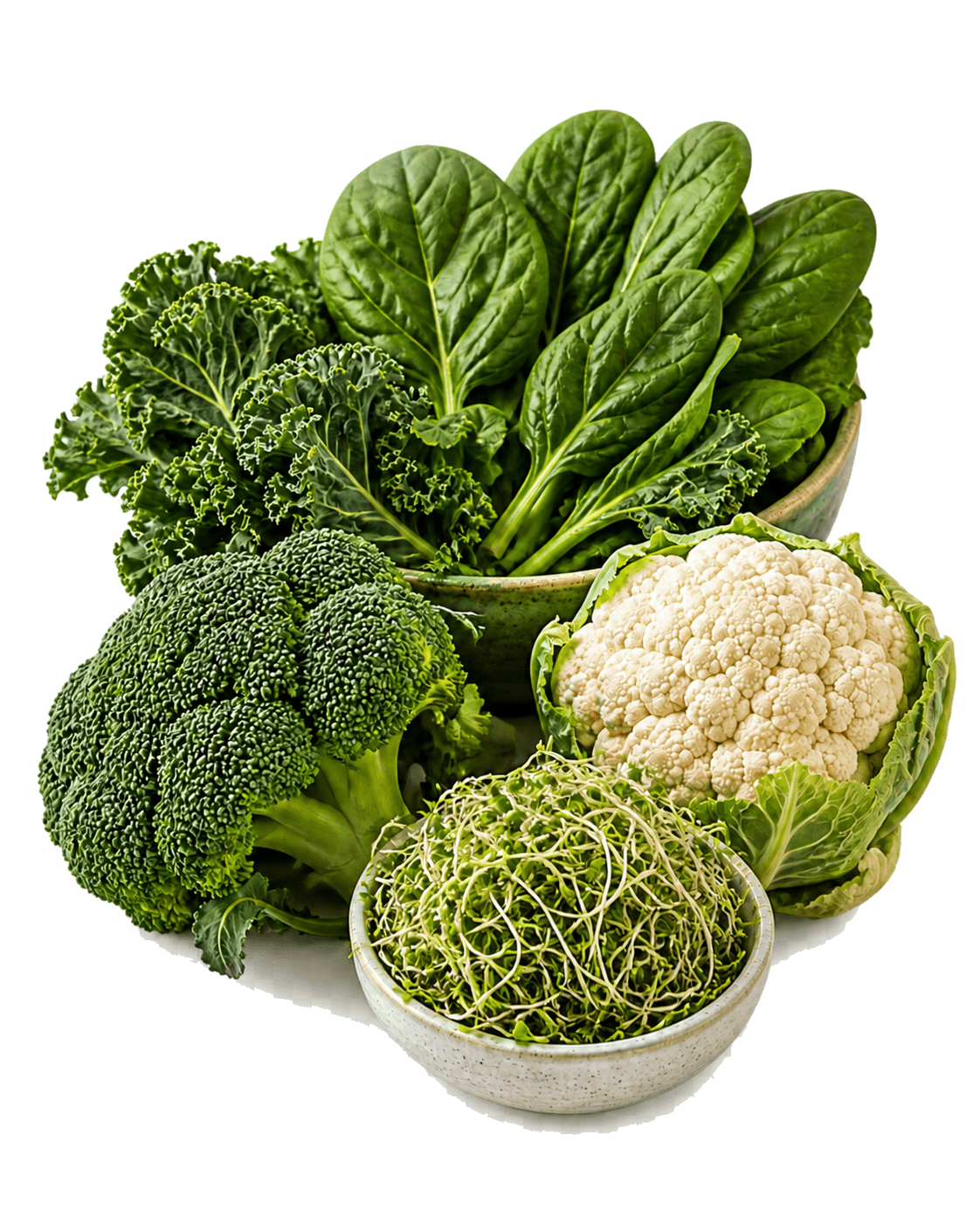
Low-carb vegetables including kale, spinach, broccoli, cauliflower, and Brussels sprouts

What ketosis feels like

Reduced hunger
Better energy
Reduced cravings
Improved mental clarity
Ketone
goal
0.5–2.0 mmol/LBeta-hydroxybutyrate

This is the optimal range for nutritional ketosis and mental & metabolic benefits.

Tip: Stay hydrated, get enough electrolytes, and be consistent. Your body will adapt!

Eat SMASH Fish Every Day

One of the most important foods for the brain
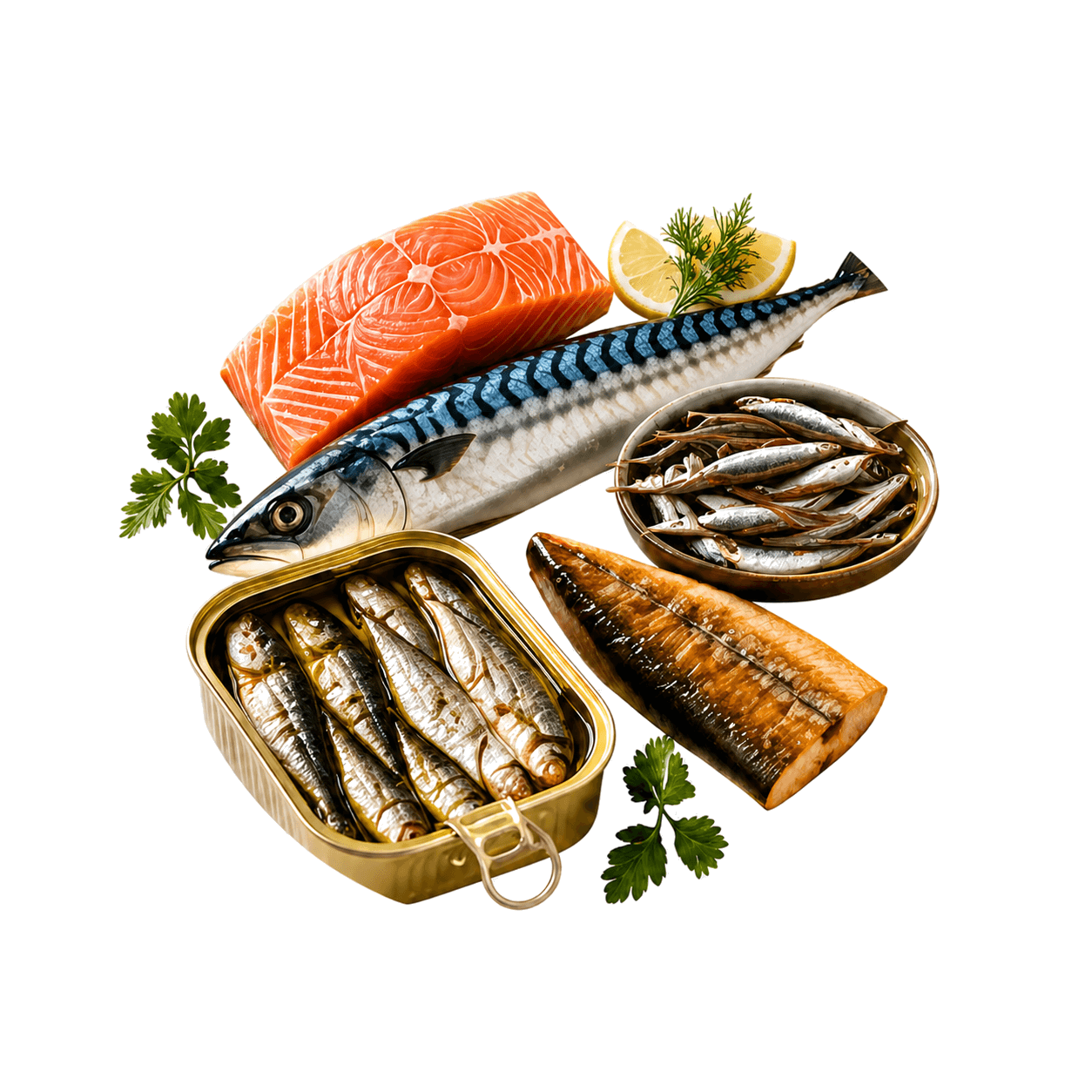
SMASH FISH
S= Salmon
M= Mackerel
A= Anchovies
S= Sardines
H= Herring
A selection of salmon, mackerel, anchovies, sardines, and herring

Easy daily serving ideas

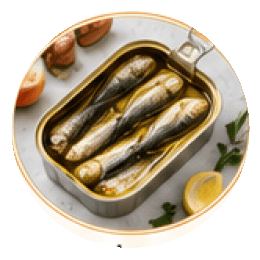
Canned sardinesCanned sardinesOn greens, with olive oil and lemon
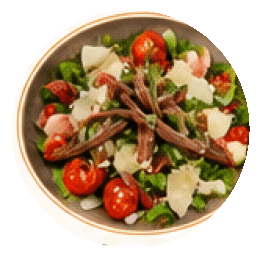
Anchovy saladAnchovy saladAdd to salads, dressings or roasted veggies
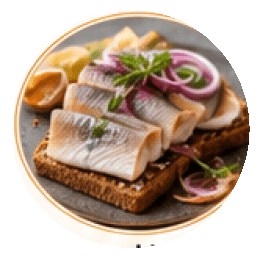
Smoked herringSmoked herringEnjoy with avocado, capers and onions
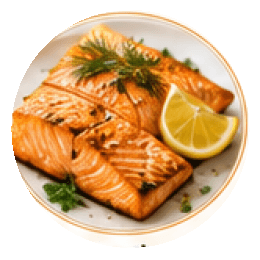
Wild salmonWild salmonBake, grill or pan-sear
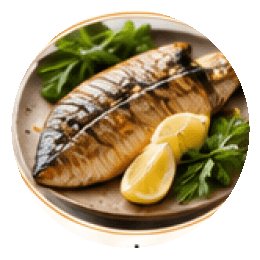
MackerelMackerelGreat grilled, baked or in salads

Open research book

Research Citations

1
Morris MC et al.

Plasma phospholipid omega-3 fatty acids and risk of Alzheimer’s disease.

2
van de Rest O et al.

Fish oil supplementation and cognition in older adults.

3
Yilavuri MPT et al.

Omega-3 fatty acids and cognitive decline.

4
Omega-3 and cognition reviews

Systematic reviews supporting brain health.

Mushrooms: One of the Most Powerful Brain Foods

Eat mushrooms at least 4 times per week

⌁

Key teaching point

Research from Singapore found that older adults who consumed mushrooms multiple times weekly had significantly lower odds of mild cognitive impairment.
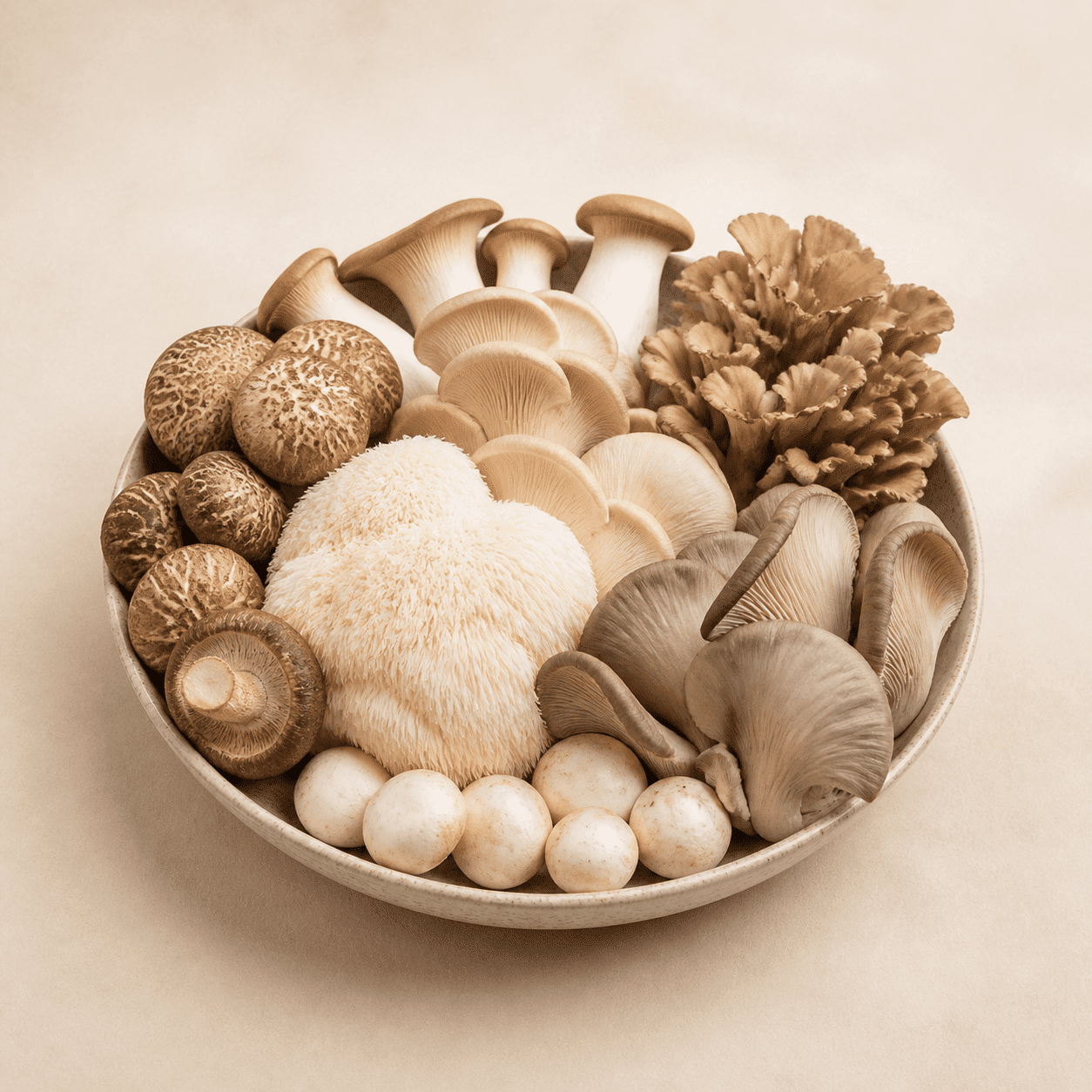

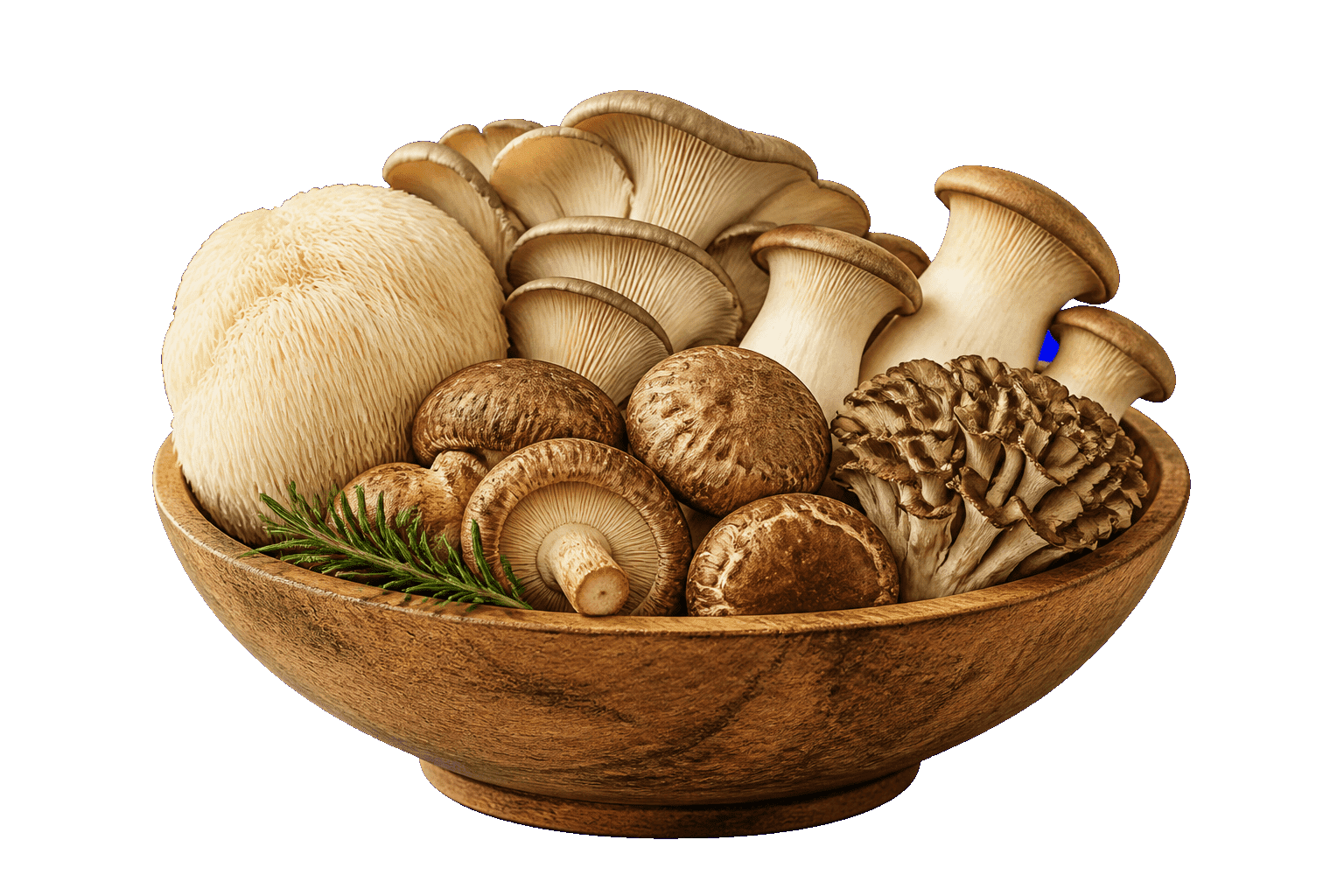
A bowl of brain-supporting mushrooms
♢

Ergothioneine

  • Potent antioxidant
  • Anti-inflammatory compound
  • May help protect neurons
≋

Beta-glucans

  • Support immune function
  • Support gut health

Best mushrooms for brain health

Lion's mane mushroomLion’s mane

May support NGF production and memory support
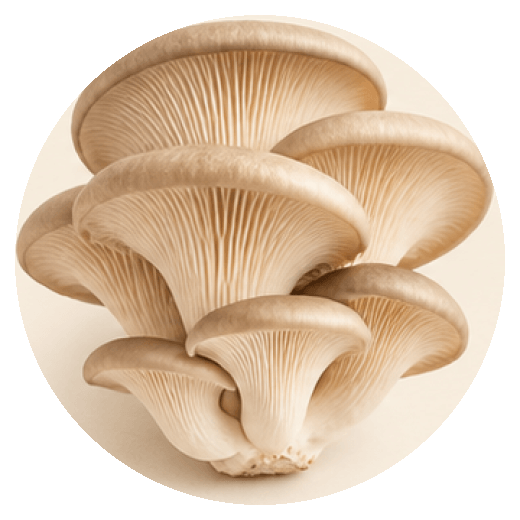
Oyster mushroomsOyster mushrooms

High ergothioneine

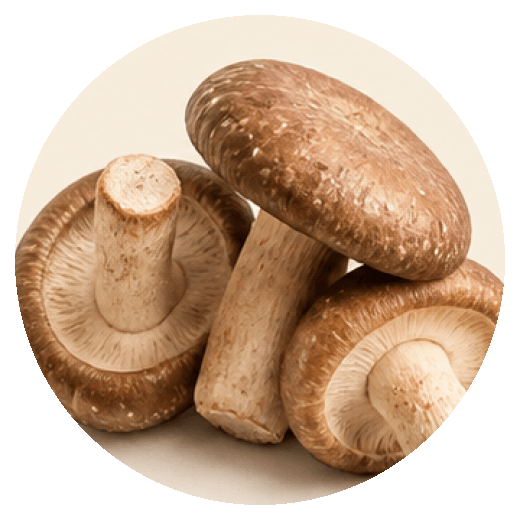
Shiitake mushroomsShiitake

Rich in antioxidants

King trumpet mushroomsKing trumpet

High ergothioneine content

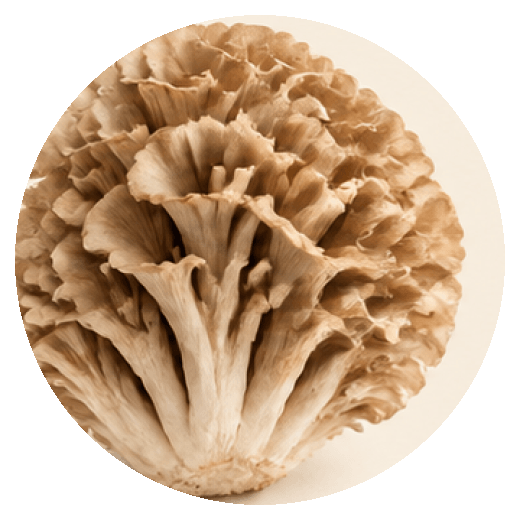
Maitake mushroomMaitake

Immune support

Goal target iconGOAL: Eat mushrooms at least 4 times weekly. Daily is even better.

Open research book

Research Citations

1
Feng et al., 2019

Singapore Mushroom Study: lower cognitive impairment in older adults.

2
NUS Mushroom Research

Neuroprotective compounds in mushrooms, including ergothioneine.

3
Yang et al., 2024

Mushroom intake and cognitive impairment research.

The Best Proteinsfor Brain Health

Focus on high-quality protein

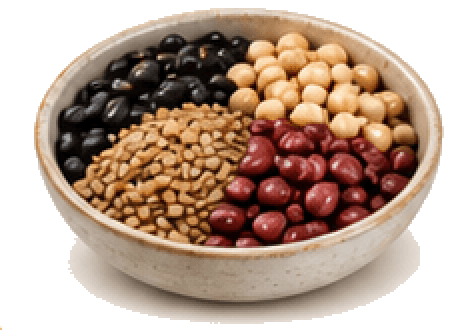
1Beans and legumes
Beans and legumes
  • Lentils
  • Chickpeas
  • Black beans
  • Pinto beans
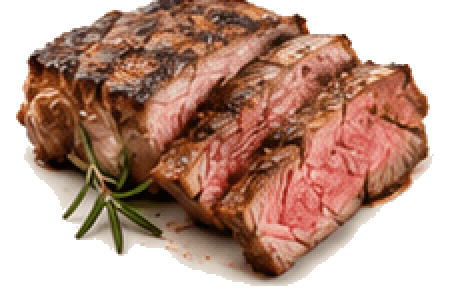
2Grass-fed beef
Grass-fed beef
  • Creatine
  • Zinc
  • B12
  • Iron
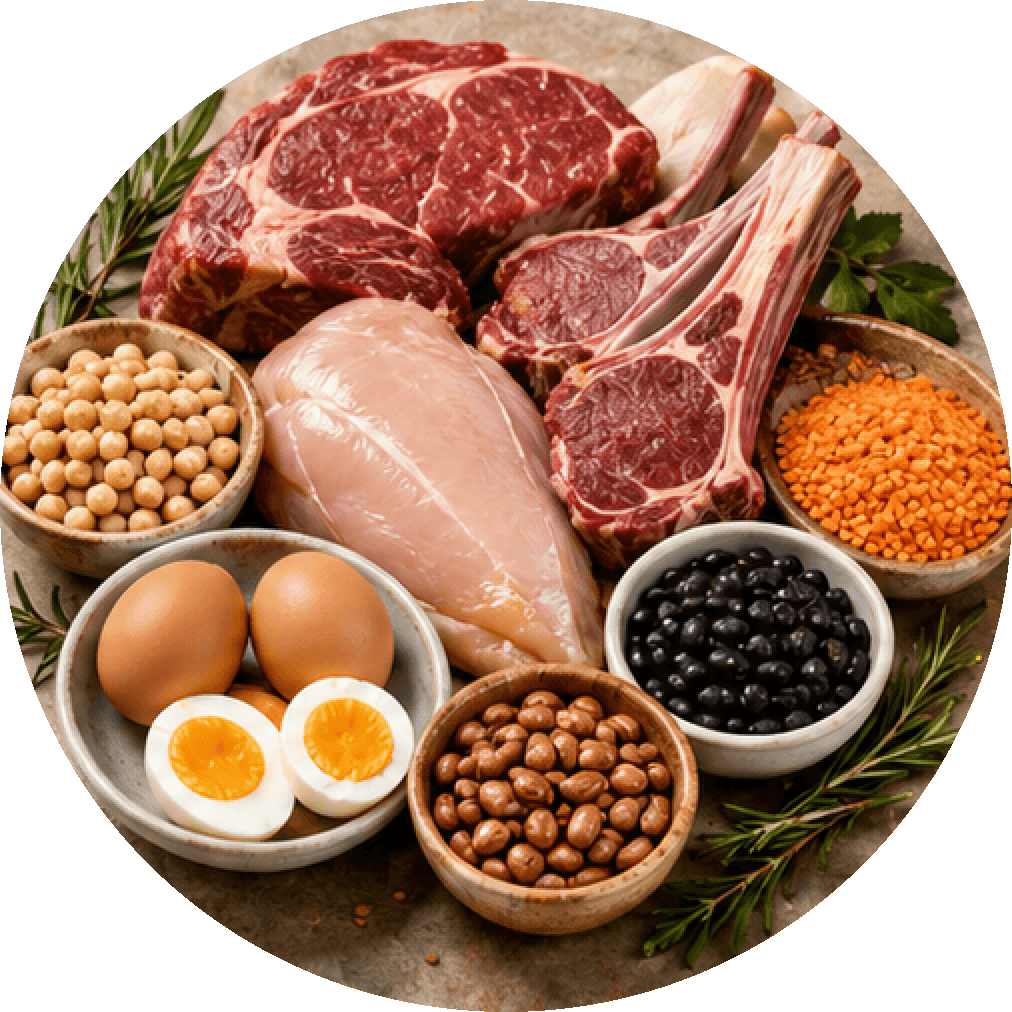
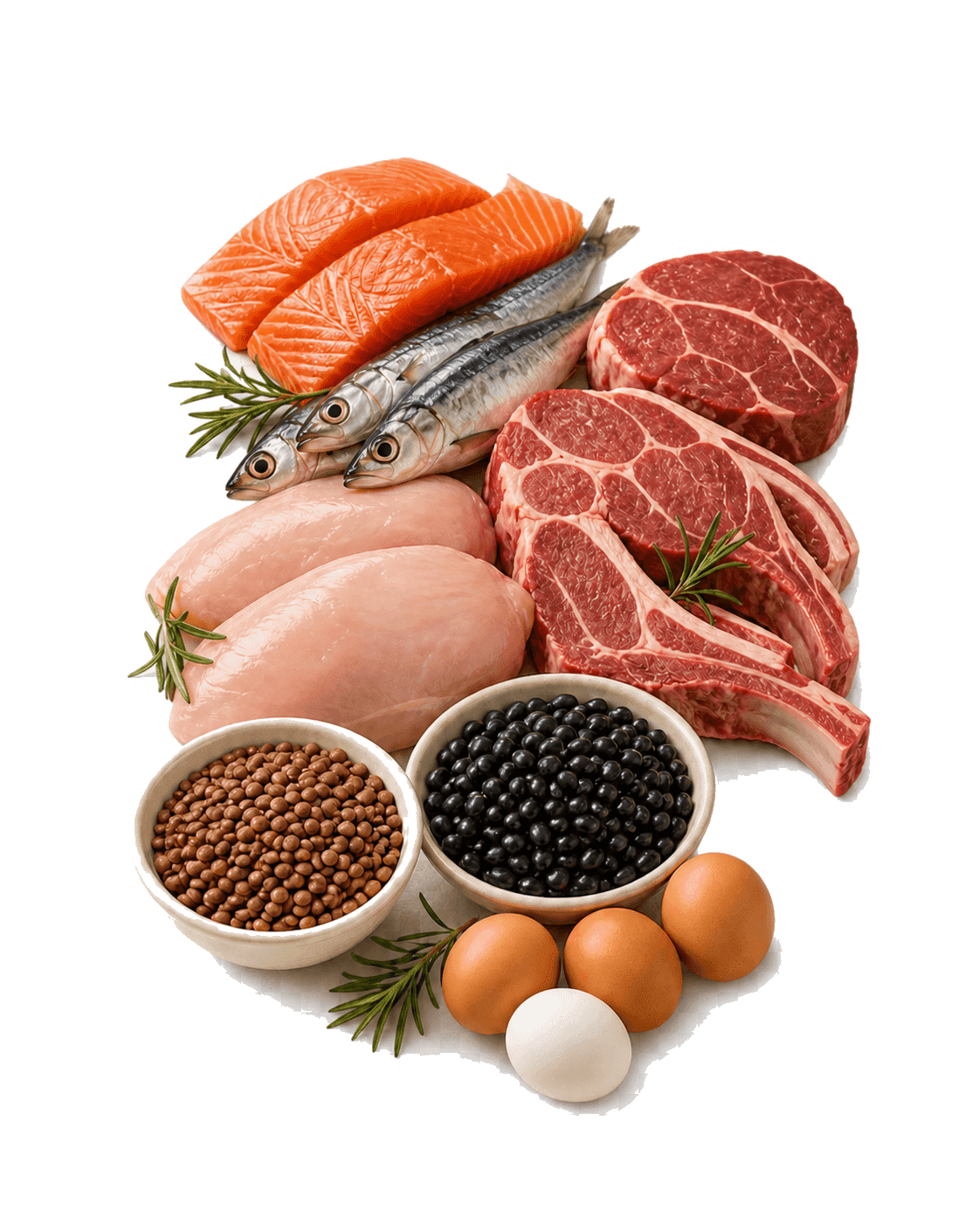
High-quality protein foods including meat, chicken, eggs, beans, and lentils
3Grass-fed lamb
Grass-fed lamb
  • Protein
  • Zinc
  • B vitamins
4Pastured chicken
Pastured chicken
  • Lean protein
  • Amino acids
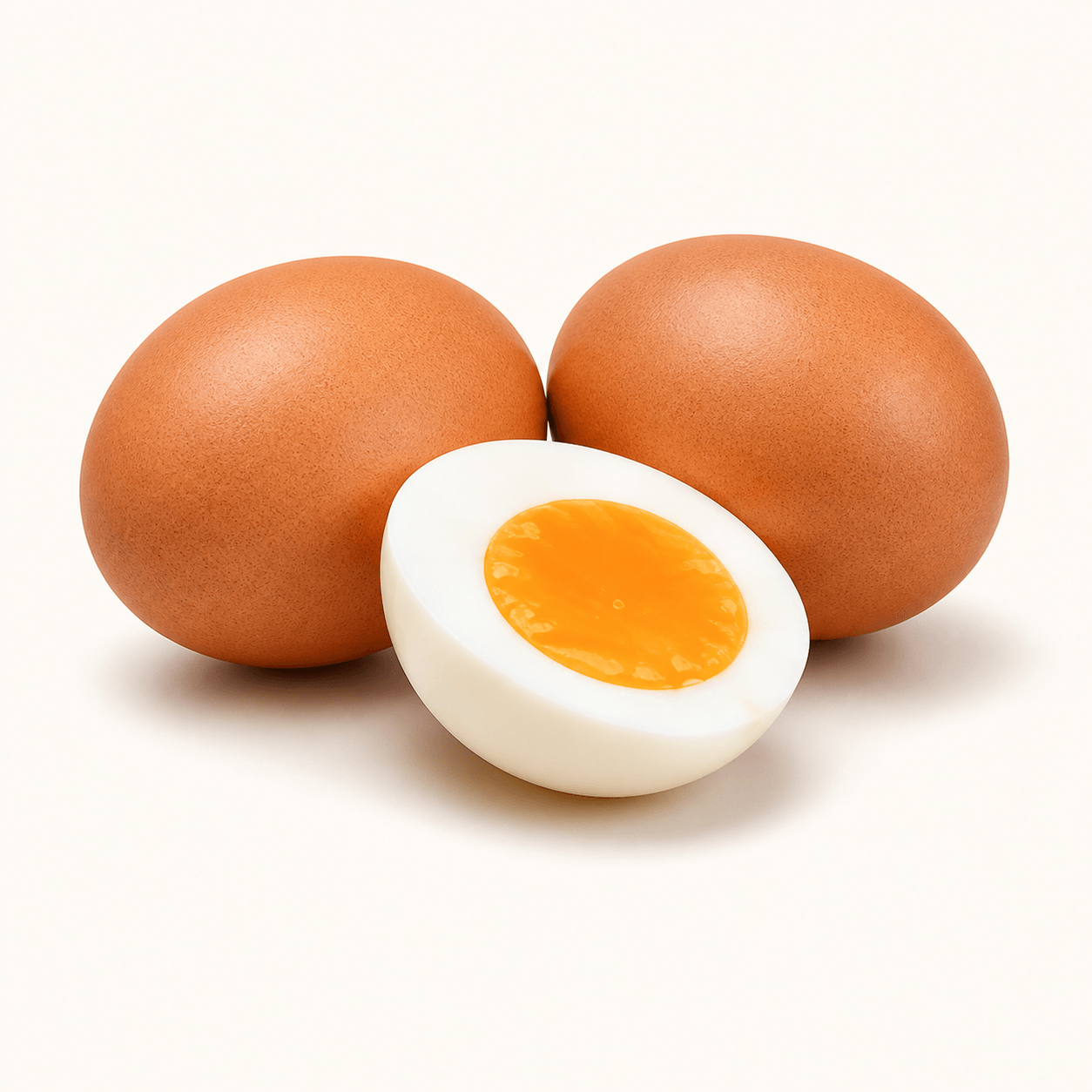
5Pastured eggs
Pastured eggs
  • Choline
  • Lutein
  • Zeaxanthin
Brain health icon

Why protein
matters

1Supports neurotransmitter production
2Helps maintain muscle mass
3Supports insulin sensitivity
4Supports healthy aging

Foods to Avoidif You Want a Healthier Brain

Greatly reduce

SugarSugar
SodaSoda
CandyCandy
Refined flourRefined flour
Ultra-processed foodsUltra-processed foods
Deep-fried foodsDeep-fried foods
Excess alcoholExcess alcohol

Why

♩

Inflammation

Chronic inflammation damages brain cells and accelerates aging.

↗

Blood sugar spikes

Frequent spikes can lead to insulin resistance and brain glucose dysfunction.

⚛

Oxidative stress

Damages cells and reduces the brain's ability to function and repair.

+

Vascular damage

Harms blood vessels, reducing blood flow and nutrient delivery to the brain.

🧠
The food you eat has a direct impact on your brain.Choose real, whole foods to protect your memory, mood, and future.
Your

Brain-Healthy Grocery List

Protein icon

Proteins

  • SMASH fish
  • Grass-fed beef
  • Grass-fed lamb
  • Pastured chicken
  • Pastured eggs
  • Lentils
  • Beans
Salmon, fish, meat, chicken, beans, lentils, and eggs
Leaf icon

Vegetables

  • Leafy greens
  • Cruciferous vegetables
  • Broccoli sprouts
Leafy greens, broccoli, cauliflower, and sprouts
Mushroom icon

Mushrooms

  • Lion’s mane
  • Shiitake
  • Oyster
  • Maitake
  • King trumpet
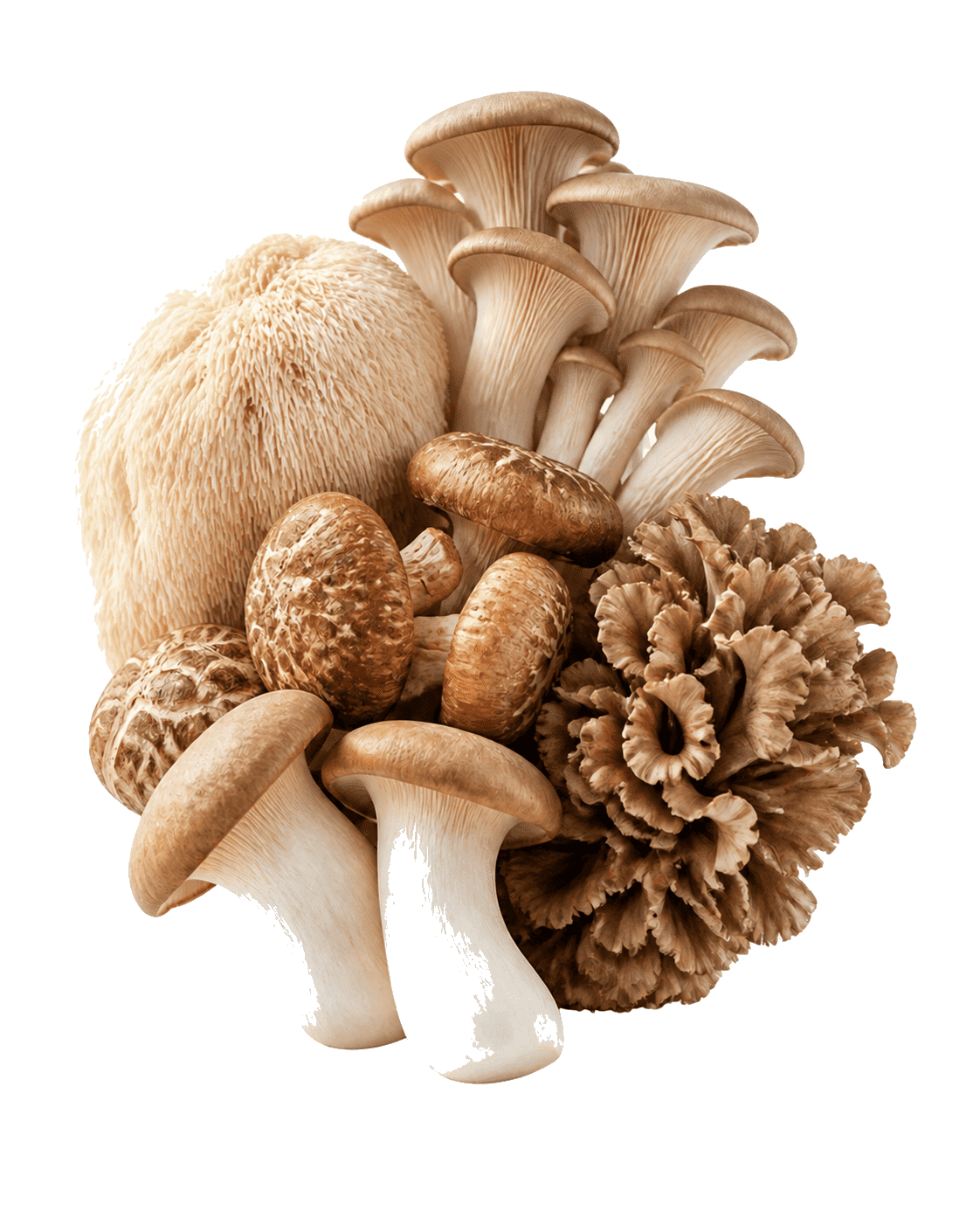
Lion's mane, shiitake, oyster, maitake, and king trumpet mushrooms
Avocado icon

Healthy fats

  • Olive oil
  • Avocados
  • Walnuts
  • Pecans
Avocado, olive oil, walnuts, pecans, and olives
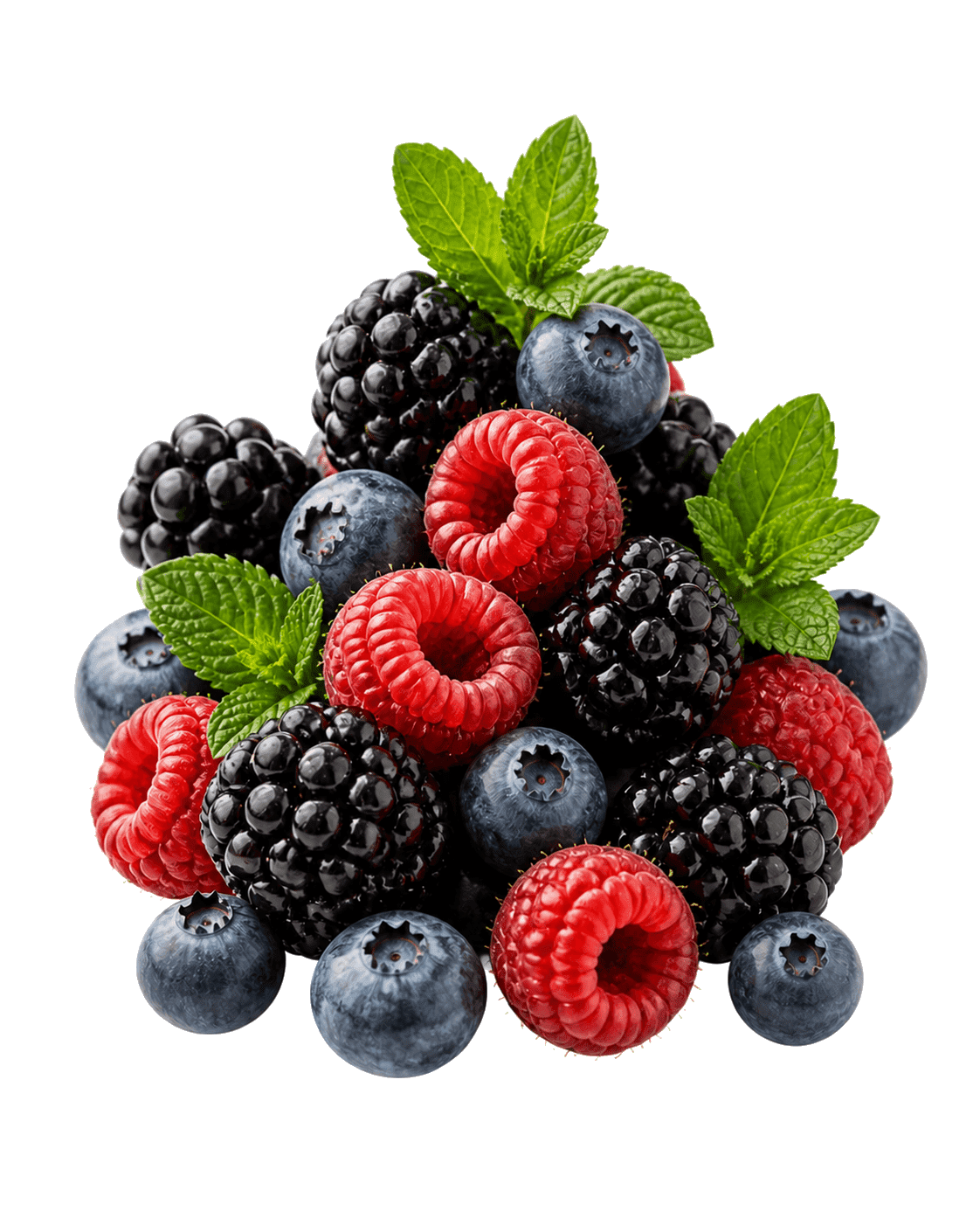
Berries icon

Berries

  • Blueberries
  • Blackberries
  • Raspberries
Blueberries, blackberries, raspberries, and mint
Shopping cart icon
Focus on whole, real foods.Your brain will thank you!
Every healthy choice you make today helps protect your brain for tomorrow.
Brain health icon

The 30-DayBrain Health Challenge

A Simple 4-Week Reset for a Stronger Brain
1

Week 1

Eliminate sugary beverages

Soda and lemon water
2

Week 2

Begin KetoFlex 12/3 fasting

Clock representing fasting and eating windows
3

Week 3

Eat mushrooms 4 times weekly

A selection of mushrooms
4

Week 4

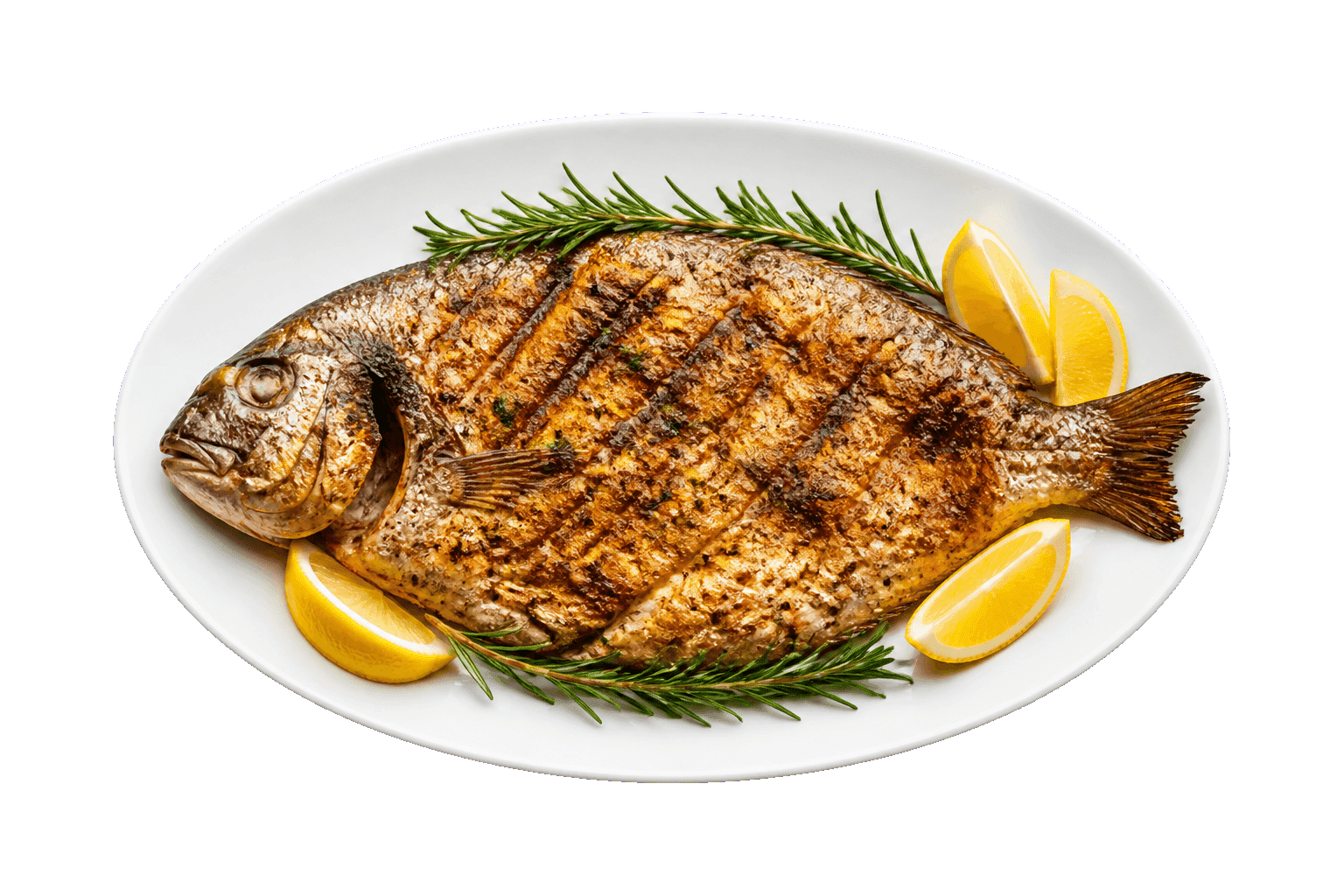
Eat SMASH fish daily

Cooked fish with lemon

Focus on creating a brain that is:

Metabolic flexibility iconMetabolically flexible
Shield iconLess inflamed
Fuel droplet iconBetter fueled
Lotus iconMore resilient

The Core Formula

KetoFlex iconKetoFlex
Fish iconDaily SMASH Fish
Mushroom iconMushrooms 4+ Times Weekly
Blood sugar iconStable Blood Sugar
Exercise iconExercise
Sleep iconSleep
A Stronger
Brain

Special Limited-Time Offer

Get Instant Access Today

$200 $47

5 episodes. Science-backed strategies.
Practical action steps.

Product Package Order Now

+ Get My Free Exercise E-Book

+ Personalized Group Coaching with Jill